

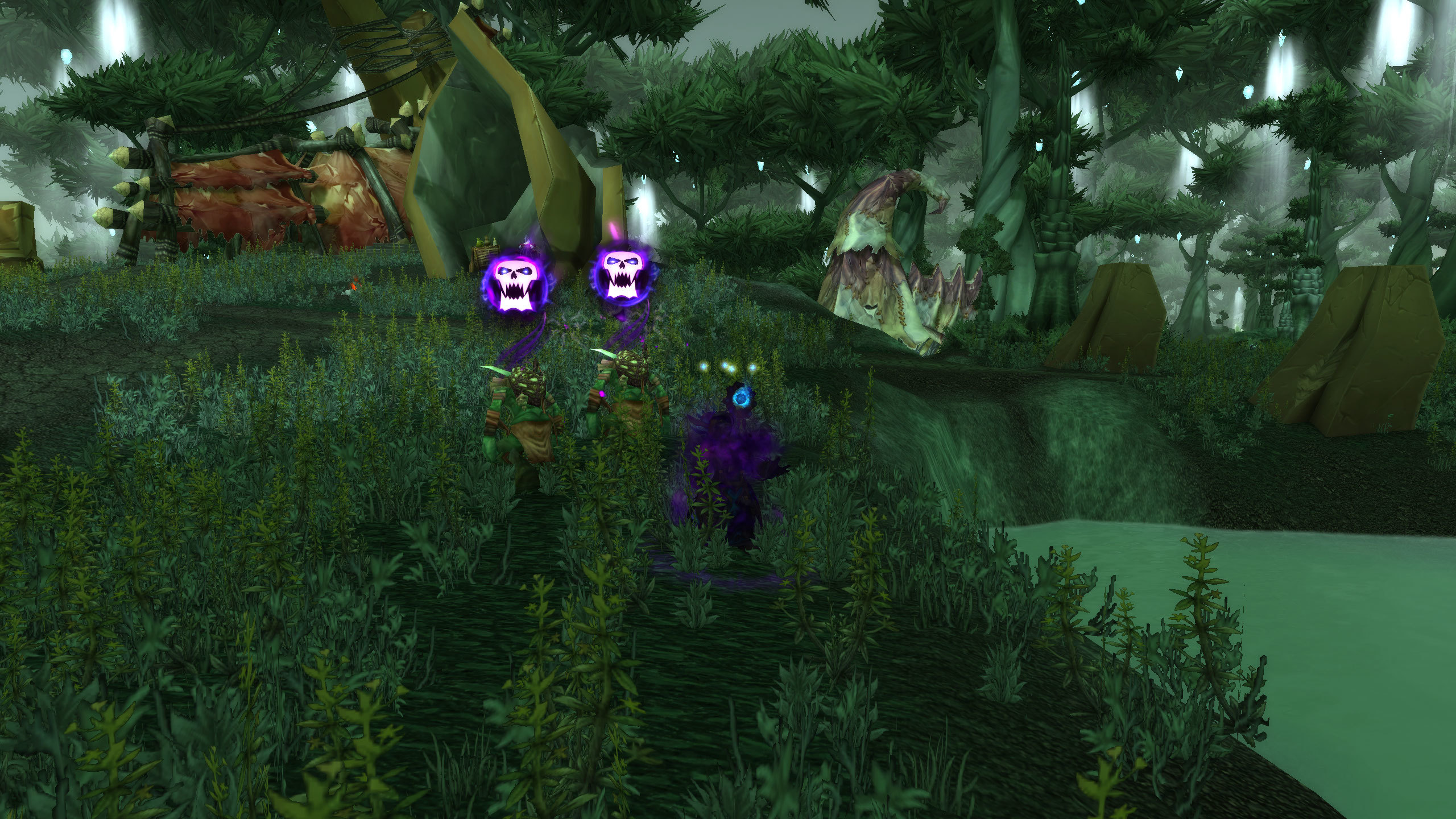
The Priest class has always occupied a unique place in WoW’s universe. While many classes draw their identity from weapons, ferocity, or elemental power, Priests are built on belief, discipline, and the unseen forces that shape Azeroth’s cultures. Their spells draw from ancient religions, forgotten traditions, cosmic energies, and philosophies passed down through civilizations. As a result, Priest magic is among the most lore-rich and symbolically meaningful in the entire game.

This article explores why the Priest class remains so deeply rooted in lore, how its spell themes evolved across expansions, and why Priests continue to hold one of the richest thematic identities in WoW.
The Duality of Light and Shadow
Priests are built on one of Warcraft’s foundational themes: the contrast between Light and Shadow. While Paladins represent righteous conviction and Warriors express physical might, Priests stand at the intersection of faith, hope, doubt, and fear. Their spells reflect cosmic dualities far older than any mortal faction.
This dual nature enriches the class identity. Holy Priests embody healing, serenity, and salvation; Shadow Priests wield whispers, horror, and the dangerous truths of the Void. No other class captures such a complex moral balance through spell design alone.
Cultural Roots and Multiple Religious Traditions
Priests are the only class whose spellcasting tradition appears across nearly every race and culture. Dwarven priests draw power from the Light as filtered through Titan heritage. Night Elf Priests channel Elune’s lunar magic. Troll Priests practice Loa worship intertwined with ancestral spirits. Undead Priests, meanwhile, twist Light and Shadow into painful contradictions.
This diversity gives Priests a wider narrative foundation than almost any other class. They aren’t tied to a single school of magic, but to an entire spectrum of beliefs across Azeroth’s civilizations.
| Cultural Variant | Spiritual Focus | Spell Expression |
|---|---|---|
| Night Elves | Elune’s moonlight | Lunar and astral healing |
| Dwarves | Titan-forged Light | Order-infused blessings |
| Trolls | Loa patronage | Spirit-driven miracles |
| Forsaken | Conflicted Light | Painful yet potent healing |
The Lore Behind Holy Magic
Holy Priest spells are more than healing—they are manifestations of celestial harmony and cosmic order. The Light in Warcraft isn’t simply radiance; it’s a force of will, hope, memory, and structure. When a Priest casts Prayer of Healing or Guardian Spirit, they channel a power shaped by belief itself. This philosophical dimension makes every Holy spell feel deeper than its mechanical effect.

Many Holy spells stem from ancient priesthoods, cathedral teachings, and rituals carried forward through generations, giving them gravitas grounded in storytelling rather than pure gameplay utility.
The Forbidden Knowledge of Shadow
Shadow magic draws from the Void, whispers between stars, and fragments of forbidden truths mortals were never meant to understand. Shadow Priests tap into madness, fear, entropy, and cosmic revelation. Their spells evoke themes of distortion and unraveling, mirroring the psychological danger of embracing the Void.
Abilities like Mind Flay, Void Torrent, and Devouring Plague carry layers of narrative meaning. They tell a story of risk: power gained at the cost of sanity and stability. This creates a spell identity unlike any other caster.
Discipline: The Intersection of Faith and Willpower
Discipline Priests sit between Holy and Shadow—masters of balance, discipline, and inner resolve. Their spell themes revolve around shaping Light with controlled restraint and reinforcing faith through effort rather than emotion. This results in spell visuals and mechanics that channel both calm radiance and sharp precision.

Spells like Penance and Power Word: Shield showcase the Discipline fantasy perfectly: measured, strategic, and grounded in the belief that structure can overcome chaos.
Priest Magic Reinforces Core Warcraft Themes
At its core, Warcraft’s narrative revolves around cosmic forces—Light, Void, Life, Death, Disorder, and Order. Priest spells tap directly into two of the most important: Light and Void. This strategic positioning ties the class into the game’s deepest lore conflicts, making their spell identity central to story arcs involving Naaru, Old Gods, Titan vaults, and celestial beings.
Few classes maintain such direct narrative relevance across multiple expansions, making Priest spells feel continuously meaningful.
The Emotional Power of Priest Spells
Priest magic carries emotional weight. Healing spells reflect moments of protection, hope, and salvation. Shadow abilities express fear, doubt, and temptation. Discipline spells embody personal strength and resilience. This emotional range ensures that every spell a Priest casts feels connected to narrative themes larger than the encounter at hand.

Whether saving allies or embracing the void, Priests operate within a thematic framework that draws players into the emotional heart of Warcraft’s mythology.
Conclusion
The Priest class continues to offer some of the richest spell themes in WoW because its magic is inseparable from the world’s deepest lore. Light, Void, divine belief, forbidden knowledge, and cultural tradition all converge to form a spellbook steeped in narrative meaning. Whether players lean toward serene healing or the seductive pull of Shadow, Priests remain central to the cosmic balance that defines Azeroth.
Through every spell, Priests carry centuries of history, philosophy, and faith—making them one of the most thematically compelling classes ever designed.
Leave a Reply