


Introduction: The Evolution of WoW Features
Since its release in 2004, *World of Warcraft* has introduced countless features and systems to enhance gameplay. While many of these changes have been celebrated by the community, others have been met with backlash and frustration. These features often became a point of contention, either due to poor implementation, broken mechanics, or the perception that they detracted from the core experience of the game. In this article, we’ll explore some of the most hated features in WoW history and analyze what Blizzard learned from these controversial additions.
1. *The Real ID System* – Identity Crisis
One of the most infamous features in WoW history was the introduction of the *Real ID* system in 2010. This system required players to use their real names on the forums and in some parts of the game, creating a massive backlash over privacy concerns.
Why It Was Hated
- Privacy Concerns – Players were forced to use their real names, which many felt was a violation of their privacy and security.
- Community Backlash – The system was met with overwhelming opposition, with players citing the potential for harassment and the loss of anonymity in the game.
- Forums Gone Wrong – The *Real ID* system was most problematic on the forums, where players could easily be identified by their real names, leading to harassment and unwanted attention.
What We Learned
In response to the backlash, Blizzard quickly reversed the *Real ID* policy, learning that forcing players to use their real names in a game with such a large community could create significant problems. Blizzard’s attempt at increasing accountability backfired, and the feature was eventually scrapped.
2. *The Path of the Titans* – An Abandoned System
In *Cataclysm*, Blizzard introduced the *Path of the Titans*, a new system intended to allow players to further customize their characters with powerful enhancements. Unfortunately, this feature was abandoned before its full release.
Why It Was Hated
- Unfinished Feature – The *Path of the Titans* was introduced with much fanfare, but it was eventually scrapped due to technical issues and balancing concerns, leaving many players frustrated with the lack of a meaningful reward.
- Lack of Clarity – The system was highly ambiguous, and players found it difficult to understand how it would impact their characters in the long run.
- Disjointed Content – The system felt disconnected from the rest of the game’s progression, leading players to question its relevance and implementation.
What We Learned
The *Path of the Titans* taught Blizzard the importance of delivering a feature that is both functional and well-integrated into the game. After its removal, Blizzard focused more on refining existing systems and adding new features that could be easily understood and well-received by players.
3. *Flying Mounts in Azeroth* – Breaking the World’s Immersion
One of the most divisive features in WoW history was the introduction of flying mounts in *The Burning Crusade*. While flying mounts were initially loved for their convenience, they ultimately led to complaints about how they impacted world exploration and immersion.
Why It Was Hated
- Destroyed Immersion – Many players felt that flying mounts removed the sense of danger and exploration in the world, as they allowed players to bypass the challenges of navigating the world on foot.
- World PvP Impact – In the open-world PvP environment, flying mounts made it easy for players to escape combat, reducing the sense of challenge and interaction between factions.
- Inaccessible Zones – While flying mounts made exploration faster, they also reduced the incentive to explore the ground-level content, leaving certain zones feeling empty and underused.
What We Learned
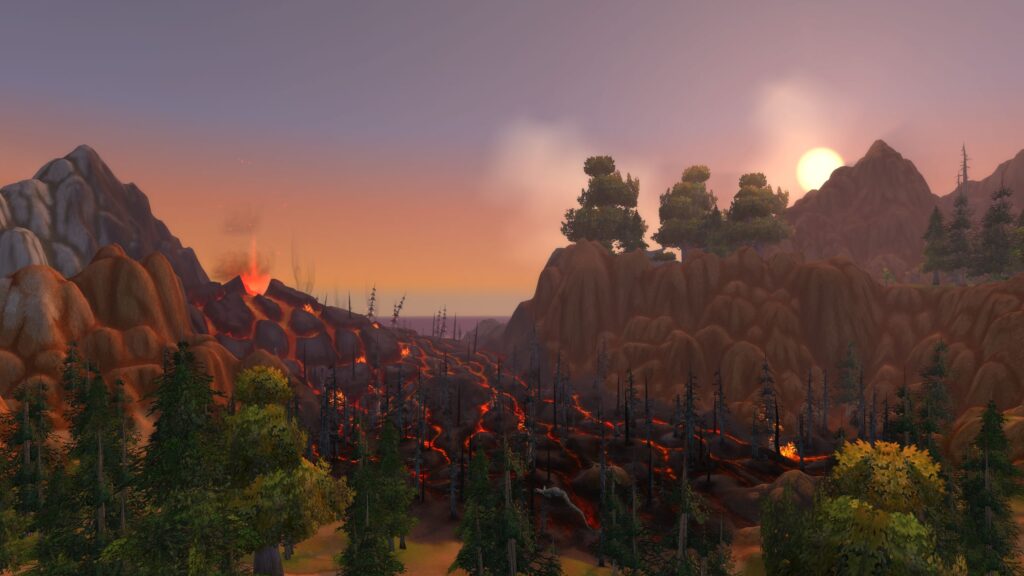
In later expansions, Blizzard attempted to strike a balance by restricting flying mounts in certain areas, such as in *Pandaria* and *Draenor*, and eventually introducing the requirement to unlock flying through in-game progression. This allowed for a more immersive experience while still offering the convenience of flying when it made sense.
4. *Token System* – The Pay-to-Win Debate
Introduced in *Warlords of Draenor*, the WoW Token system allowed players to buy in-game currency (gold) using real money, which led to a significant debate over whether the system would create a “pay-to-win” scenario.
Why It Was Hated
- Potential Pay-to-Win Concerns – Some players believed that the WoW Token system created an unfair advantage for players who could afford to buy gold, as they could bypass traditional grinding methods.
- Economic Disruptions – The introduction of the Token system led to fluctuations in the in-game economy, with some items and services becoming more expensive or devalued due to the influx of purchased gold.
- Devaluation of Gold – For long-time players who had spent hours earning gold through in-game efforts, the ability to buy gold for real money felt like it diminished the value of their hard work.
What We Learned
The introduction of the WoW Token system ultimately turned out to be a mixed bag. While it did provide a convenient way for players to buy gold without third-party vendors, it also highlighted the importance of maintaining a balanced economy. Blizzard continues to refine the system to ensure that it doesn’t disrupt the core experience of the game.
5. *The Garrison System* – Fun, but Too Time-Consuming
Introduced in *Warlords of Draenor*, the Garrison system allowed players to create their own personal base, where they could send followers on missions, gather resources, and craft items. While it was initially praised for adding new content, the system quickly became criticized for its grindy nature and its impact on the overall gameplay experience.
Why It Was Hated
- Overly Time-Consuming – Players were often forced to log in multiple times a day to send followers on missions or manage their Garrisons, creating a sense of obligation rather than enjoyment.
- Lack of Meaningful Content – While the Garrison offered some rewards, it became clear that it didn’t add meaningful content to the game. Many players felt that the system was a distraction from more engaging activities.
- Social Isolation – The Garrison system encouraged solo play, as players could complete their missions without ever interacting with other players, which was contrary to the core multiplayer experience of WoW.
What We Learned
Blizzard learned that systems like the Garrison should be designed to complement the multiplayer experience rather than replace it. While the concept of a personal base was exciting, it needed to be balanced with the rest of the game to ensure it didn’t feel like a chore. This led to the eventual removal of Garrisons in future expansions, with more engaging systems taking their place.
Conclusion: Lessons Learned from WoW’s Most Hated Features
*World of Warcraft* has gone through many phases in terms of content, systems, and features. While some of these features have been met with negative reactions, Blizzard has consistently learned from these experiences and improved upon them in later expansions. Whether it’s about player privacy, game immersion, or content design, each hated feature has taught valuable lessons that have shaped the game’s evolution. As WoW continues to grow and evolve, it’s likely that future updates will continue to reflect these lessons learned, making Azeroth a better place for players.
Home
Leave a Reply